

News

October 1, 2026
10th Conference of the Asian Society of Head & Neck Oncology(ASHNO 2027) – August 5-8, 2027
October 1, 2026
ASHNO Event – Speech and Swallow Workshop – November 7, 2026
September 21, 2026
ASHNO at the 11th World Congress of the International Academy of Oral Oncology – May 4-8, 2027
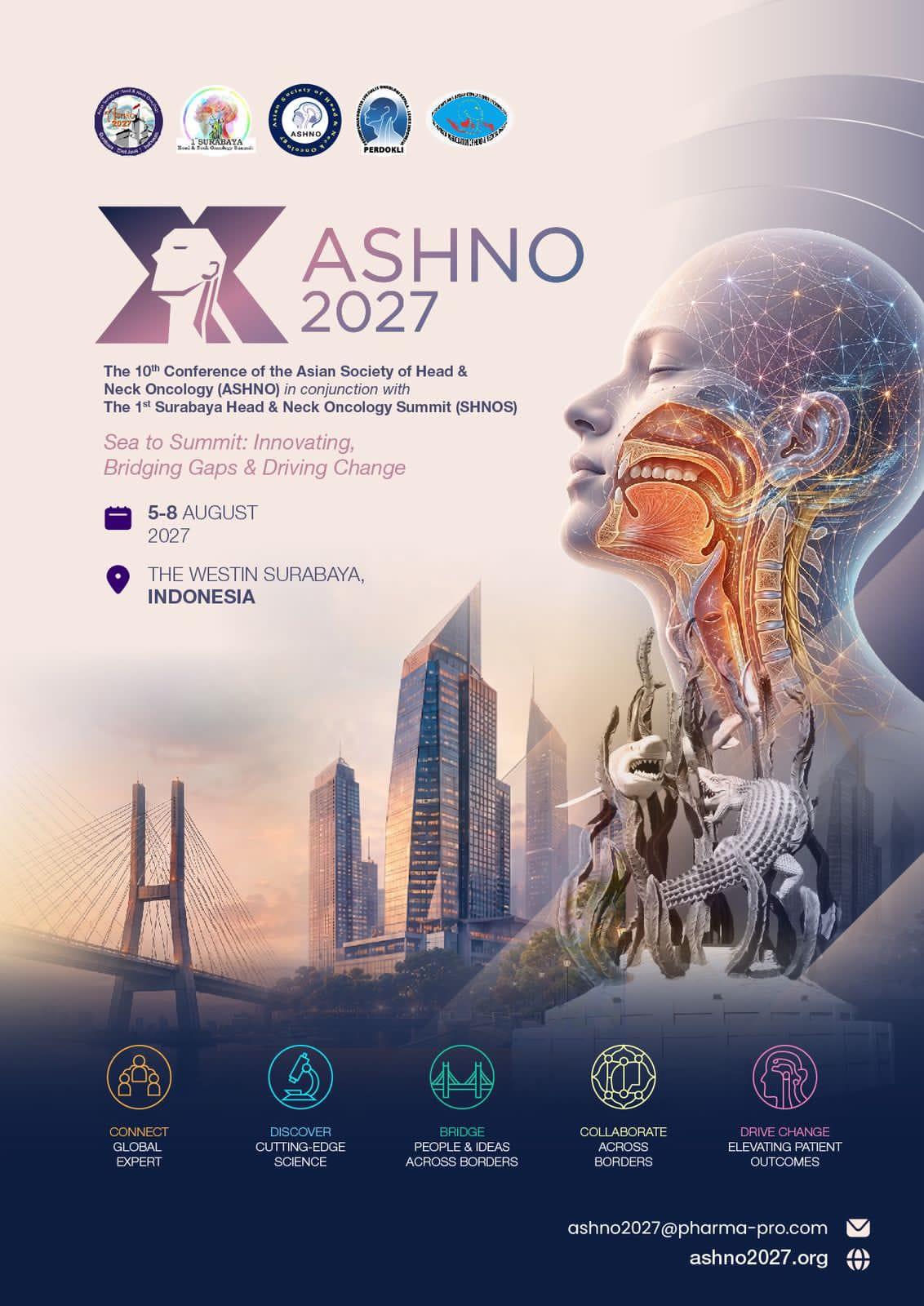
ASHNO 2027
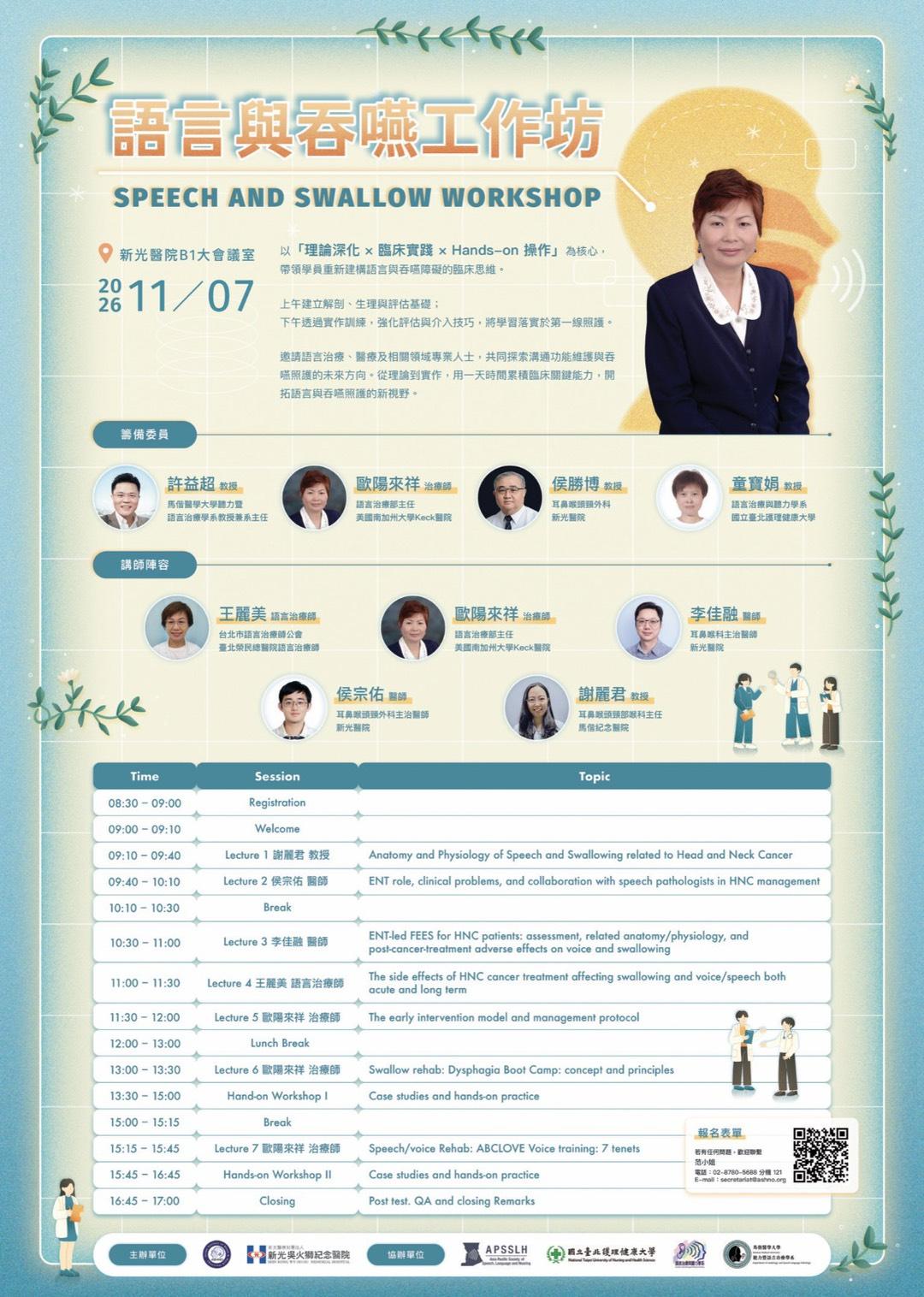
ASHNO Speech and Swallow Workshop
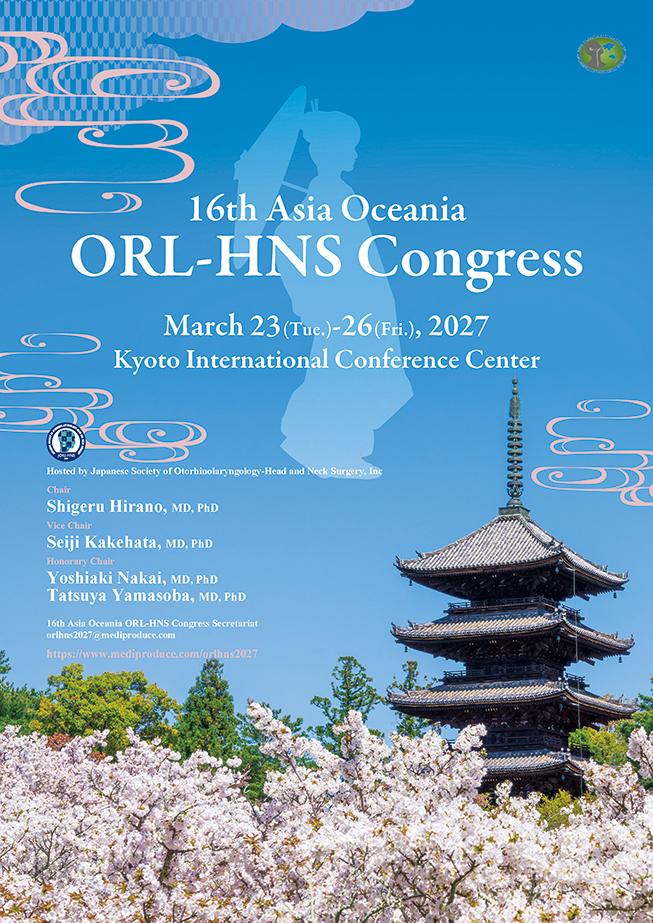
2027 The 16th AO ORL-HNS
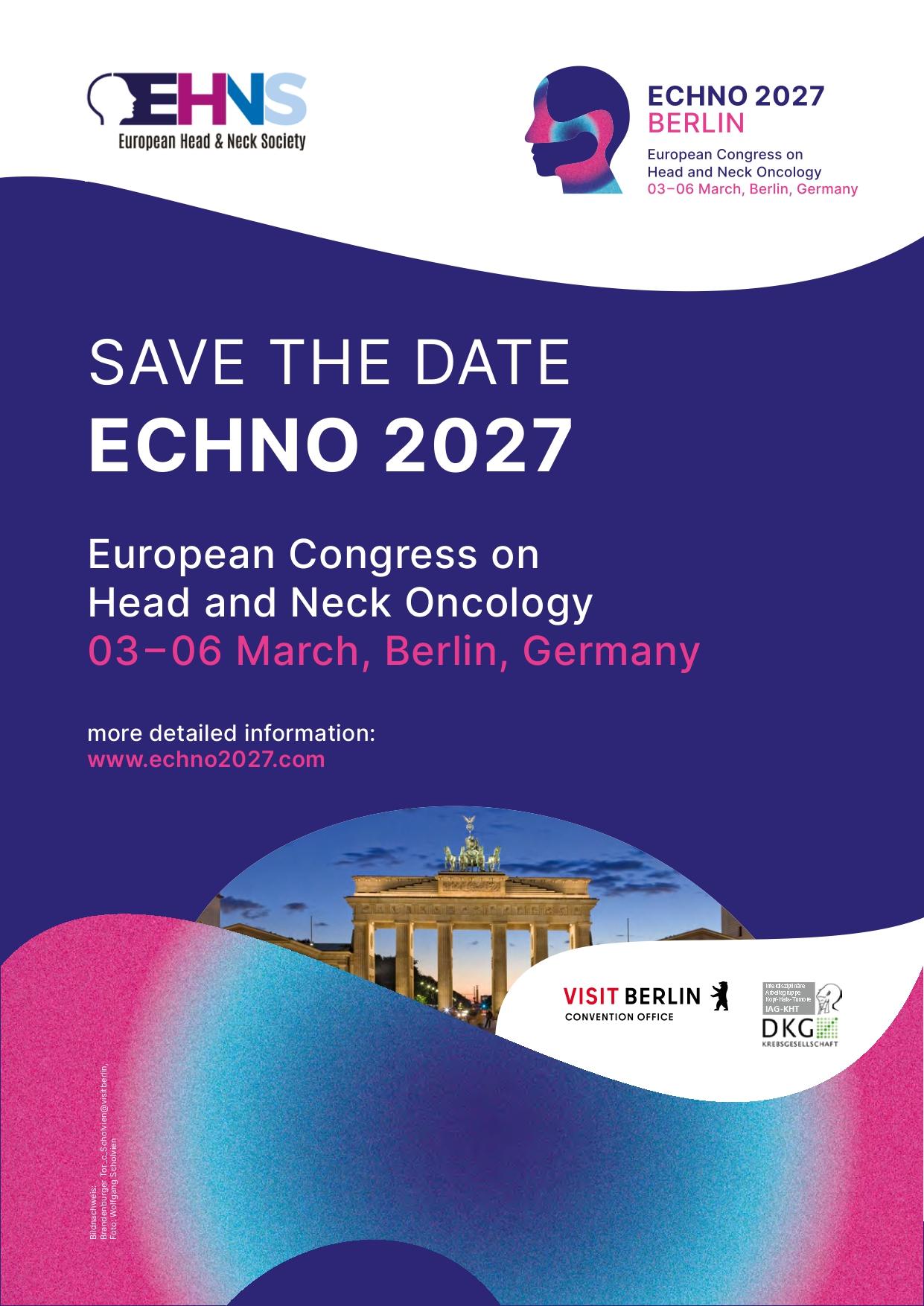
ECHNO 2027
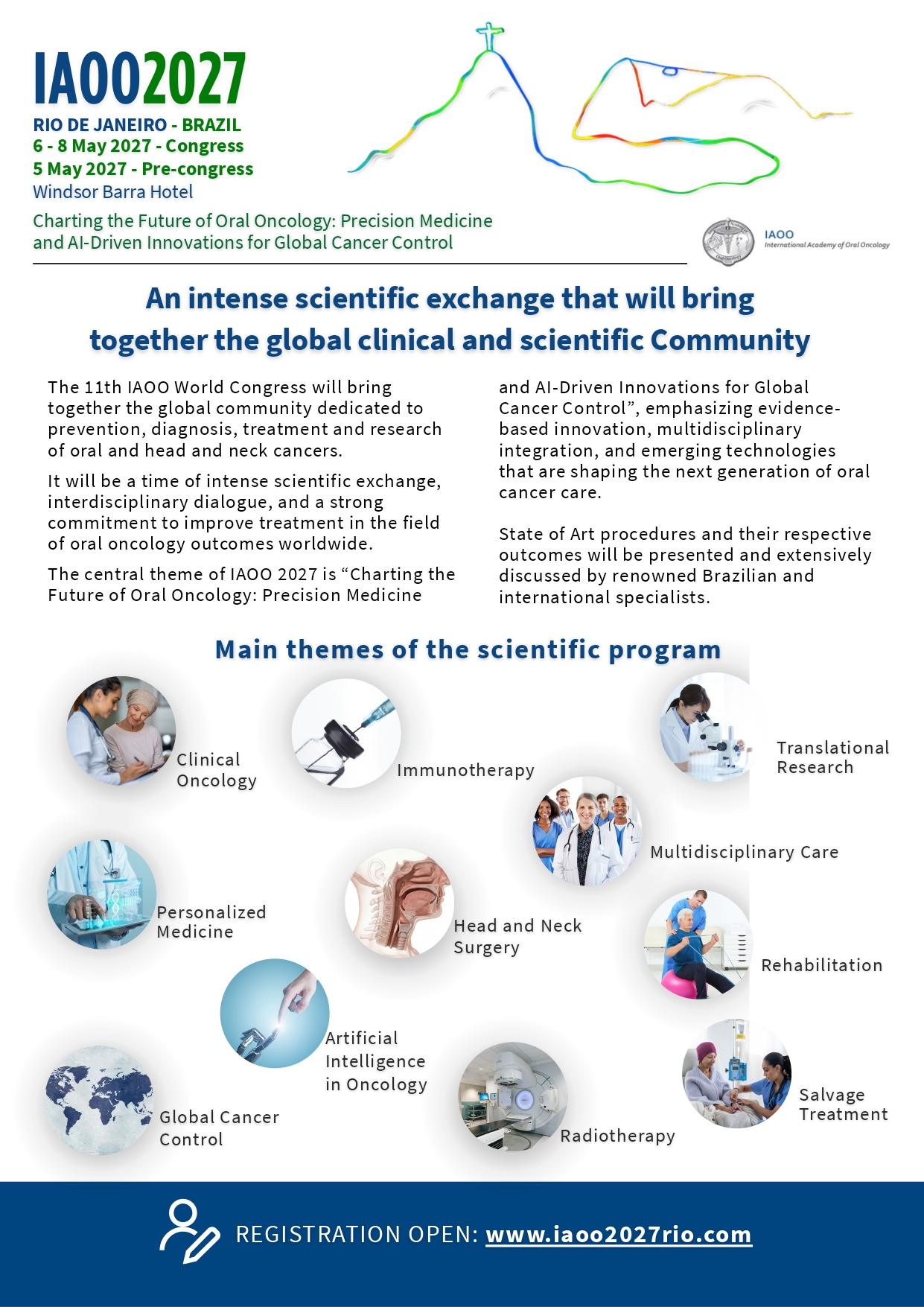
IAOO 2027
Global Head & Neck Oncologic Partnership Events
7 November 2026
3-6 March 2027
23-26 March 2027
4-8 May 2027
5-8 August 2027
About Us
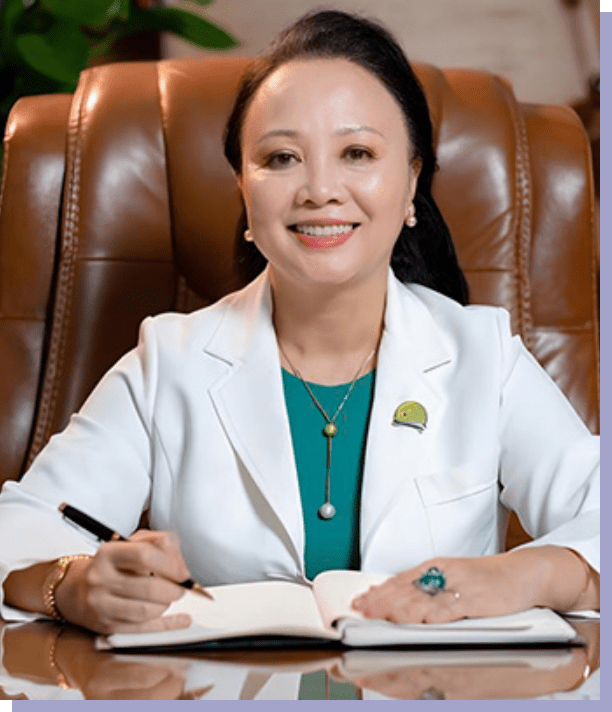
Prof. Tran Phan Chung Thuy
President
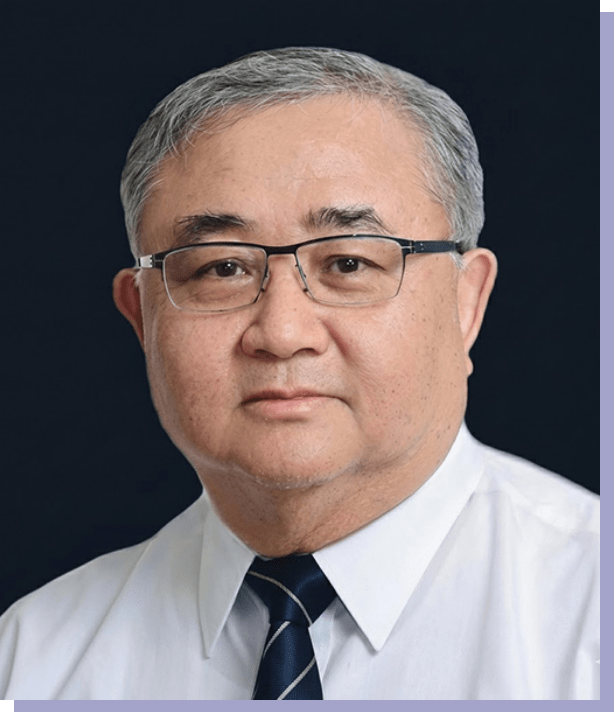
Prof. Sheng-Po Hao
Founding President Secretary General
About ASHNO
Asian Society of Head & Neck Oncology (ASHNO) stands as a uniquely Asia-based, truly multidisciplinary platform dedicated to improving outcomes for patients with head and neck neoplasms and related diseases, building on the traditions and structures established by leading regional and international head and neck oncology societies.
Origins in a Global Movement
ASHNO was initiated on July 21, 2008 in San Francisco, reflecting Asian resolve to create its own regional society within the global head and neck oncology community. ASHNO was conceived to unify expertise and accelerate progress in head and neck cancer care.
A Society from Asia
The mission of ASHNO is rooted in the clinical reality, diversity, and unmet needs of patients across Asia, where tumor epidemiology, resource availability, and care pathways differ significantly from Western or other international regions.
By bringing together specialists and societies from across the continent, ASHNO provides an Asian voice and perspective in prevention, diagnosis, treatment, and rehabilitation of head and neck neoplasms.
The society biennial congresses in rotating Asian host countries create recurring opportunities for regional collaboration, knowledge exchange, and consensus‑building tailored to Asian practice environments.
Multidisciplinary at its Core
ASHNO was founded explicitly as a multidisciplinary society, welcoming clinicians and scientists involved in every aspect of head and neck oncology. Membership is open to specialists from otolaryngology and head & neck surgery, oral and maxillofacial surgery, plastic and reconstructive surgery, medical and radiation oncology, radiology, pathology, oral pathology, and basic or translational research science. This broad inclusion unites surgeons, oncologists, imaging specialists, pathologists, allied health professionals, and researchers around common goals in research, education, and patient care.
A Pan-Asian Network of Excellence of Regional Hosts
ASHNO serves as the primary nexus for national head and neck oncology societies throughout the continent, fostering a collaborative ecosystem that transcends borders. By integrating the collective expertise of its member organizations, ASHNO ensures that regional insights drive global progress. This robust network includes leading national bodies such as:
- Foundation for Head and Neck Oncology, India (FHNO)
- Indonesian Head and Neck Oncologist Society (IHNOS)
- Japan Society for Head and Neck Surgery (JSHNS)
- Korean Society for Head and Neck Oncology (KSHNO)
- Malaysian Society of Otorhinolaryngology-Head & Neck Surgeons (MSOHNS)
- Philippine Academy for Head and Neck Surgery (PAHNS)
- Taiwan Head and Neck Society (THNS)
- Thai Society for Head and Neck Oncology (TSHNO)
- Vietnamese Society of Head and Neck Oncology (VSHNO)
Future of ASHNO: Asian leadership, global impact
Looking ahead, ASHNO is positioned to serve as the primary Asian forum where epidemiological realities, clinical innovations, and health‑system challenges in head and neck oncology are addressed collectively. Through its biennial congresses, collaborative research, and partnerships with societies such as AHNS, EHNS and IFHNOS. ASHNO can help shape global standards while ensuring that Asian data, perspectives, and needs are fully represented.
By nurturing multidisciplinary teams, mentoring young professionals, and promoting ethical, patient‑centered care, ASHNO aims to translate the richness and diversity of Asian experience into tangible gains in survival, function, and quality of life for patients with head and neck cancer. In doing so, the Society not only speaks “from Asia” but also contributes decisively “to the world” in the ongoing effort to prevent and conquer head and neck malignancies.
Organization
President
Tran Phan Chung Thuy
Vietnam
General Secretary
Sheng-Po Hao
Taiwan
President-Elect
Nina Irawati
Indonesia
Executive Board
Bernard Lyons
Belayat Hossain Siddiquee
Hongliang Zheng
Lei Tao
Baris Karakullukcu
Jason Chan
Joseph Chun-Kit Chung
Pankaj Chaturvedi
Shenoy Ashok
Bambang Hermani
Dan M. Fliss
Akihiro Shiotani
Seiichi Yoshimoto
Chul-Ho Kim
Australia
Bangladesh
China
China
Holland
Hong Kong
Hong Kong
India
India
Indonesia
Israel
Japan
Japan
Korea
Soon-Hyun Ahn
Phil Sang Chung
Avatar Parhar
Maung Maung Khaing
Narmaya Thapa
Zahoor Ahmad
Jeannettee Matsuo
Abdullah T. Al-Otieschan
N Gopalakrishna lyer
Chih-Yen Chien
Kitti Jantharapattana
Napadon Tangjaturonrasme
Nam P. Tran
Tran Minh Truong
Korea
Korea
Malaysia
Myanmar
Nepal
New Zealand
Philippines
Saudi Arabia
Singapore
Taiwan
Thailand
Thailand
Vietnam
Vietnam
Advisory Board
Liang Zhou
William I. Wei
Anil D’cruz
Marlinda Adham
Ken-ichi Nibu
Ryuichi Hayashi
Seiji Kishimoto
Chung Hwan Baek
Eun Chang Choi
China
Hong Kong
India
Indonesia
Japan
Japan
Japan
Korea
Korea
Kwang Hyun Kim
Balwant Singh Gendeh
Mohd Razif Mohamad Yunus
Alfredo Pontejos Jr.
Khee Chee Soo
Choakchai Metheetrairut
Patravoot Vatanasapt
Phakdee Sannikorn
Uttam K. Sinha
Korea
Malaysia
Malaysia
Philippines
Singapore
Thailand
Thailand
Thailand
USA